
Gibraltar - the controversial UK territory "near Spain"
A Special Report on Enclaves

Let’s talk about Gibraltar.
After their semi-finals victory in the recent World Cup, a member of the Argentinian team displayed a banner saying “Las Malvinas son Argentinas”.
Las Malvinas are the Falkland Islands, the site of a war in 1982 between Argentina and the United Kingdom.
As a result of that player’s political act, at least several people around the world spent 5 minutes thinking about the British Overseas Territories.
I was one of them.
Because that same week, there was bigger news here in Spain, as the border fence separating Spain from Gibraltar was taken down.
Which is interesting, because Gibraltar is a British Overseas Territory as well – located on an isthmus at the southern tip of Spain.
It would probably be more accurate to say “at the southern tip of the Iberian Peninsula” because like I said, it’s British, not Spanish.
Gibraltar is tiny: at just 2.6 square miles, it’s dominated by a large rock – el Peñón, in Spanish – and home to around 34,000 Gibraltarians, who hold British Citizenship.
Why is Gibraltar important?
Gibraltar’s location is strategic.
Sitting at the southern tip of the Iberian peninsula and just 9 miles off the northern tip of Morocco, the Rock overlooks the entrance to the Mediterranean Sea.
During the Napoleonic Wars, as well as World War II, Gibraltar was an important Royal Navy base. And in peacetime, about half of the world’s seaborne shipping goes through the Straits of Gibraltar, so controlling the passage is vital.
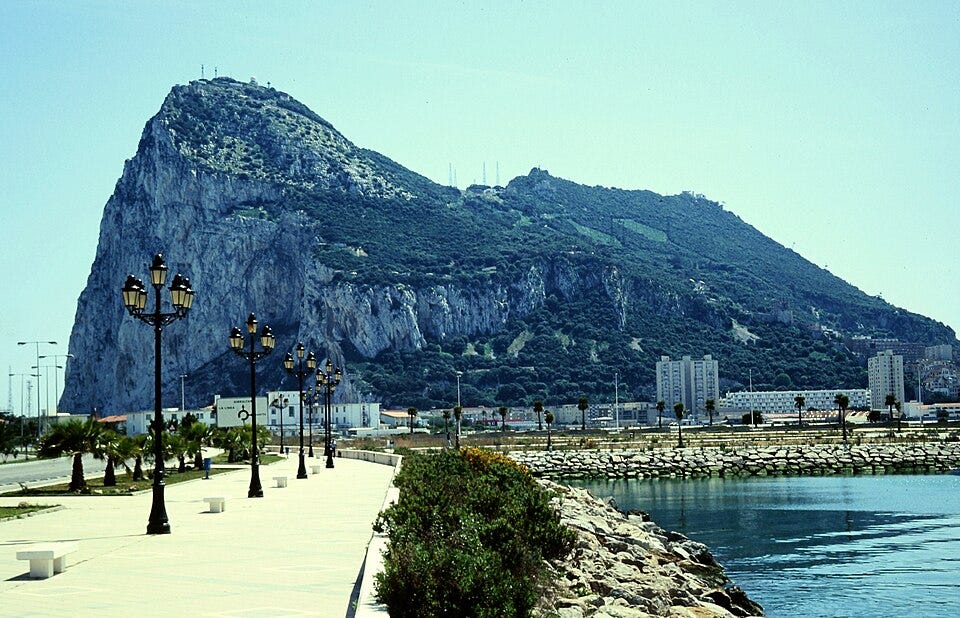
The border issue was one of the last things that needed to be resolved post-Brexit, and after several years of negotiations between Spain, Gibraltar, and the UK, the fence was finally taken down in July 2026.
This improves the lives of several thousand Spanish people who cross the border to work every day. Long-term implications remain to be seen.
For now, as far as I can tell, your average Spanish person doesn’t have a strong opinion about Gibraltar. It’s not a big topic of conversation in my world.
Still, the Spanish ambassador to the United Nations recently demanded that the UK “decolonize Gibraltar”, because of international law. So I guess someone thinks we should add Gibraltarian sovereignty to our list of pressing global problems.
Why is Gibraltar British, anyway?
The story of why the UK owns Gibraltar goes back to the War of the Spanish Succession, which lasted from 1701 to 1714.
As the name suggests, the war was about who would be Spain’s next king.
Charles II died childless and mad in 1700, and both Habsburgs and Bourbons claimed the Spanish throne. Several countries formed a Grand Alliance to oppose the Bourbon claimant, and war ensued.
As a result, Gibraltar was captured by Anglo-Dutch forces in 1704, and ceded to the UK in perpetuity under the Treaty of Utrecht in 1713.
(The island of Menorca was also captured during the War of the Spanish Succession – it remained a British possession until 1802, when it was returned to Spain.)
Beyond the issue of Gibraltar, the details of the War of the Spanish Succession are significant to the history of Spain: for one thing, it’s how we got the Bourbon monarchy.
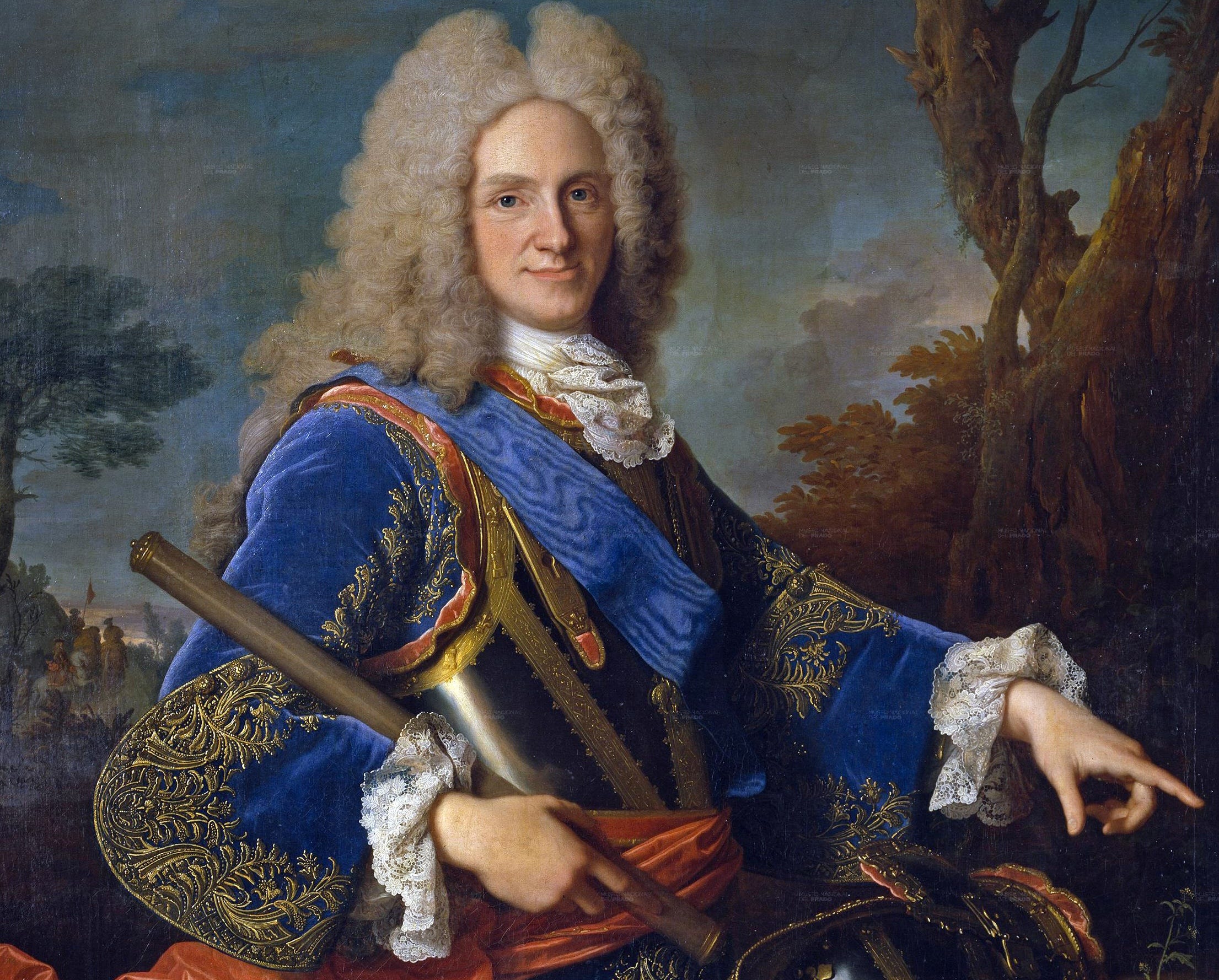
Felipe V of the House of Bourbon, a grandson of French King Louis XIV, came out as the eventual winner of the war, and became King of Spain.
Today, his descendant Felipe VI is King – although there have (obviously) been several other monarchs in the intervening 300 years.
Second, after becoming King, Felipe V centralized power in Madrid, abolishing the Crown of Aragón. In the Catalan version of history, this is the origin story of Catalonia as a nation “oppressed by Spain”.
The Catalan Story
In reality, it’s unclear to me exactly how independent Catalonia ever was.
In 1714, the idea that regular people had individual rights had not yet caught on. There was no liberal democracy, in those days.
So if anything, Catalan independence meant that there was a local nobility that enjoyed some freedom from the larger Crown of Aragón.
And incidentally, that Crown of Aragón included an entire Mediterranean empire that owned Sicily, Naples, Sardinia, the Balearic Islands and more.
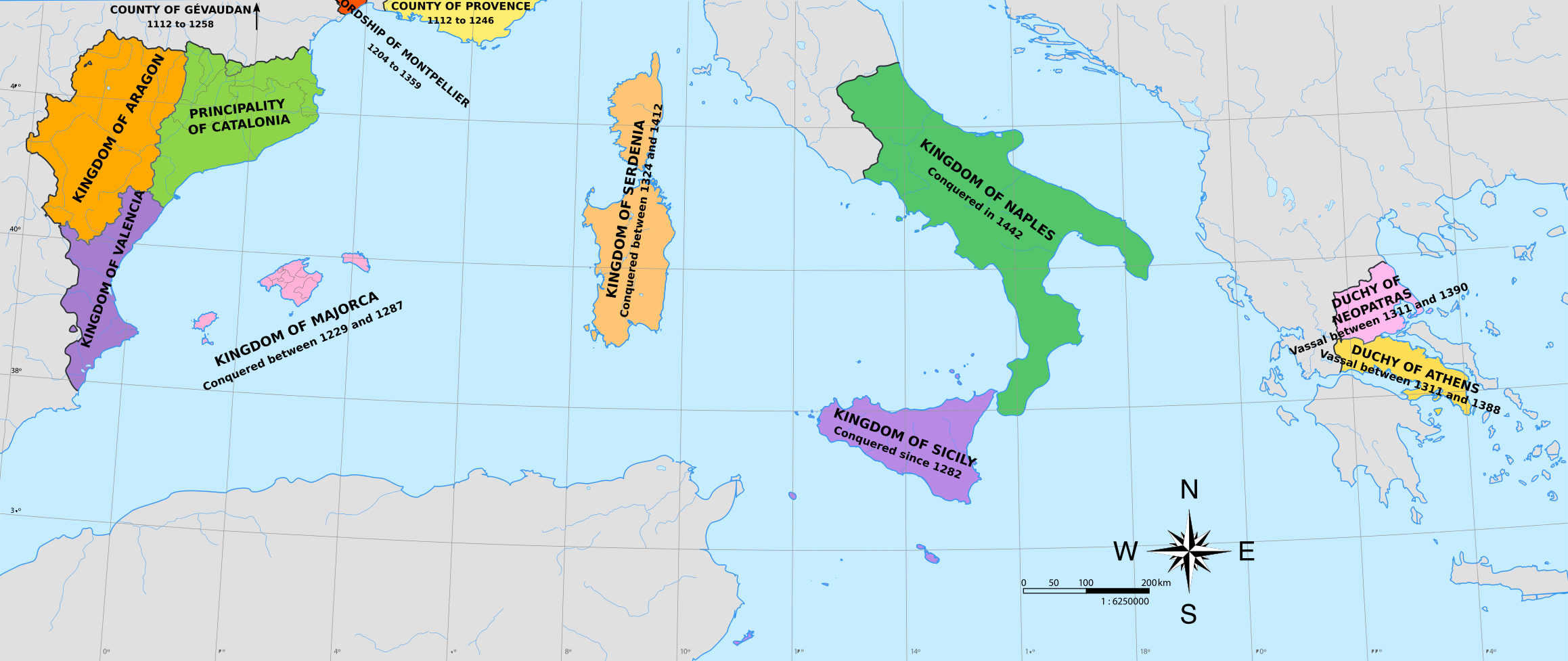
Today, my area of Barcelona has streets named Aragón, Mallorca, Provenza, Nápoles, Sicilia, etc – in honor of the former territories of the Crown.
(Whether the Mayor of Barcelona will eventually be forced to apologize to Italy for Catalonia’s long history of colonialism is an open question.)
Fun facts about Gibraltar
Here are some interesting facts about the town of Gibraltar, and the Rock:
The Language: Gibraltar has a dialect called llanito, which is a mix of British English and Andalusian Spanish, with bits of other languages thrown in. I was once on a plane with a bunch of Gibraltarian girls (I think they were a field hockey team, or something similar) and I couldn’t understand a word any of them were saying.
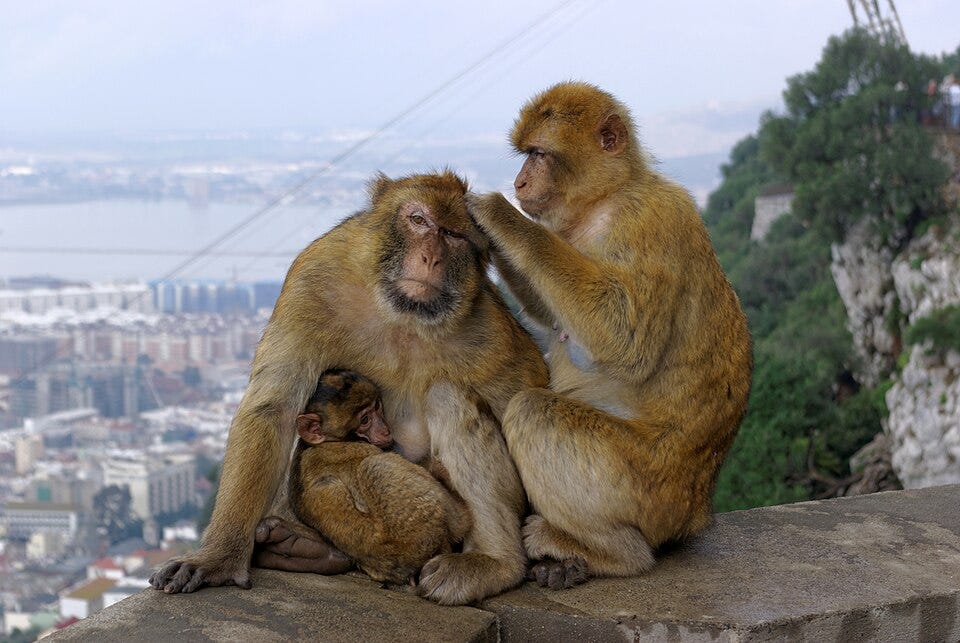
The Monkeys: The upper part of the Rock of Gibraltar is a nature reserve that’s home to about 230 Barbary macaques. They’re Europe’s only wild monkey population, and legend has it that if the monkeys ever leave, so will the British. (Winston Churchill was concerned about Gibraltar’s declining monkey population during World War II, and telegrammed his Colonial Secretary with orders to keep an eye on the situation.) Today, the monkeys are fearless, and known for stealing things from tourists, so watch out!
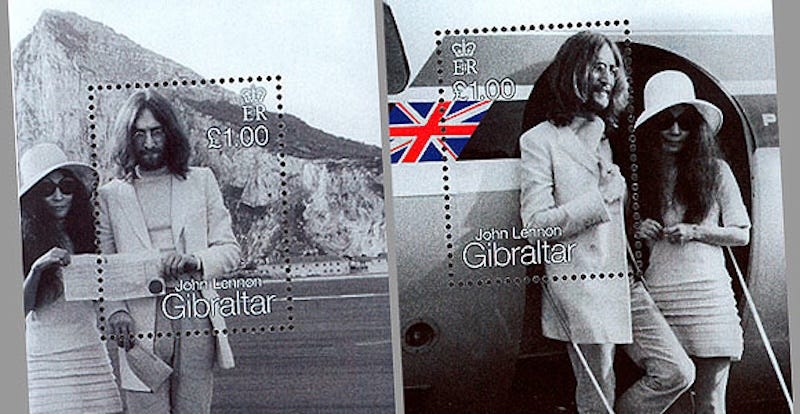
The Wedding Tourism: This isn’t legal advice, of course, but Gibraltar is known for wedding tourism – you can get married there, under British law, after staying just one night. This was mentioned in The Ballad of John and Yoko, a Beatles single from 1969. The lyric “You can get married in Gibraltar near Spain” caused the song to be banned by Franco’s dictatorship, which at the time was making claims about Gibraltar’s Spanishness.
According to what I’ve read, Gibraltar was a rather hot topic during the dictatorship, and the border was closed from 1969 to 1982.
Now, like I said, the border is fully open, and there will be joint UK/Spanish passport control at the seaport, and at Gibraltar International Airport moving forward.
In 1999, Gibraltar issued postage stamps commemorating John and Yoko’s wedding near the Rock, 30 years earlier.
Gibraltar and La Línea de La Concepción
Gibraltar is on a narrow isthmus that points south into the Mediterranean.
Its border with Spain is in the municipality of La Línea de la Concepción, in the province of Cádiz. And La Línea is known as one of the poorest and most crime-ridden parts of Spain.
In fact, the name of La Línea is basically synonymous with drug trafficking, contraband, and poverty.
Apart from crime, the main industry in town seems to be sending people to Gibraltar to work. There isn’t much going on, otherwise.
I guess it’s possible that the open border will improve conditions in La Línea. Only time will tell. The new regime might end the illegal tobacco trade, at least – the treaty limits the price difference with the intention of making contraband less profitable.
(The fast boats bringing hashish, cocaine, and other drugs from Morocco will presumably still be a problem.)
Spanish “ciudades autónomas” Ceuta and Melilla
While we’re on the topic of enclaves…
Spain has some “overseas territories” of its own in that area. Specifically, Ceuta and Melilla: two Spanish cities on the north coast of the African continent.
(If you’re taking the Spanish citizenship test some day, this kind of question is likely to come up. So you should know that Spain has 17 autonomous communities, plus the two ciudades autónomas of Ceuta and Melilla.)
These cities didn’t become part of Spain yesterday.
Ceuta has been part of Spain since the year 1580. Previous to that, it was Portuguese. Melilla has been Spanish even longer, since 1497. So I guess they go back to the Age of Exploration, when Portugal and (later) Spain were major world powers.
In the early 20th century, the two enclaves were important forts in the Spanish protectorate in Morocco. Future dictator Francisco Franco earned his stripes in the Rif War, which pitted Spain against the local hill tribes.

Today, the cities of Ceuta and Melilla aren’t known for much. But, importantly, they each have a land border with Morocco. This occasionally causes some problems when African migrants rush the border fence en masse.
Or today, I read in El Español that a lot of people are using the warm summer weather to swim around the Ceuta border fence and make it to Spain that way.
The Future of Ceuta, Melilla, and Gibraltar
Recently, there was a brief panic in the Spanish papers because someone from the Pentagon wrote an article suggesting that Donald Trump should give Ceuta and Melilla back to Morocco.
Not that they’re his to give. But it’s all part of the larger conflict between Spain and the United States over the funding of NATO.

(I wrote about the public spat between Trump and Spanish Prime Minister Pedro Sánchez in an article on my blog. Sánchez is very unpopular here in Spain, for a long list of reasons explained over there.)
Anyway, diplomatic posturing aside, Ceuta, Melilla, and Gibraltar have been in the same hands for hundreds of years.
I don’t think getting them back is a top-of-the-mind issue for anyone, unless they happen to live in the shadow of the Rock.
Yours,
Daniel AKA Mr Chorizo.
P.S. For a report from an enclave (or exclave) you’ve probably never heard of, check out my article about Puigcerdá, Llívia, and the French Border over on my other site. The enclave in question is Llívia, which is Spanish but (because of another ancient treaty) is located entirely across the French border. Enjoy!